Bikaner, Rajasthan
The Unusual yet Captivating Temple of Rats: A Journey to Karni Mata Temple in Bikaner
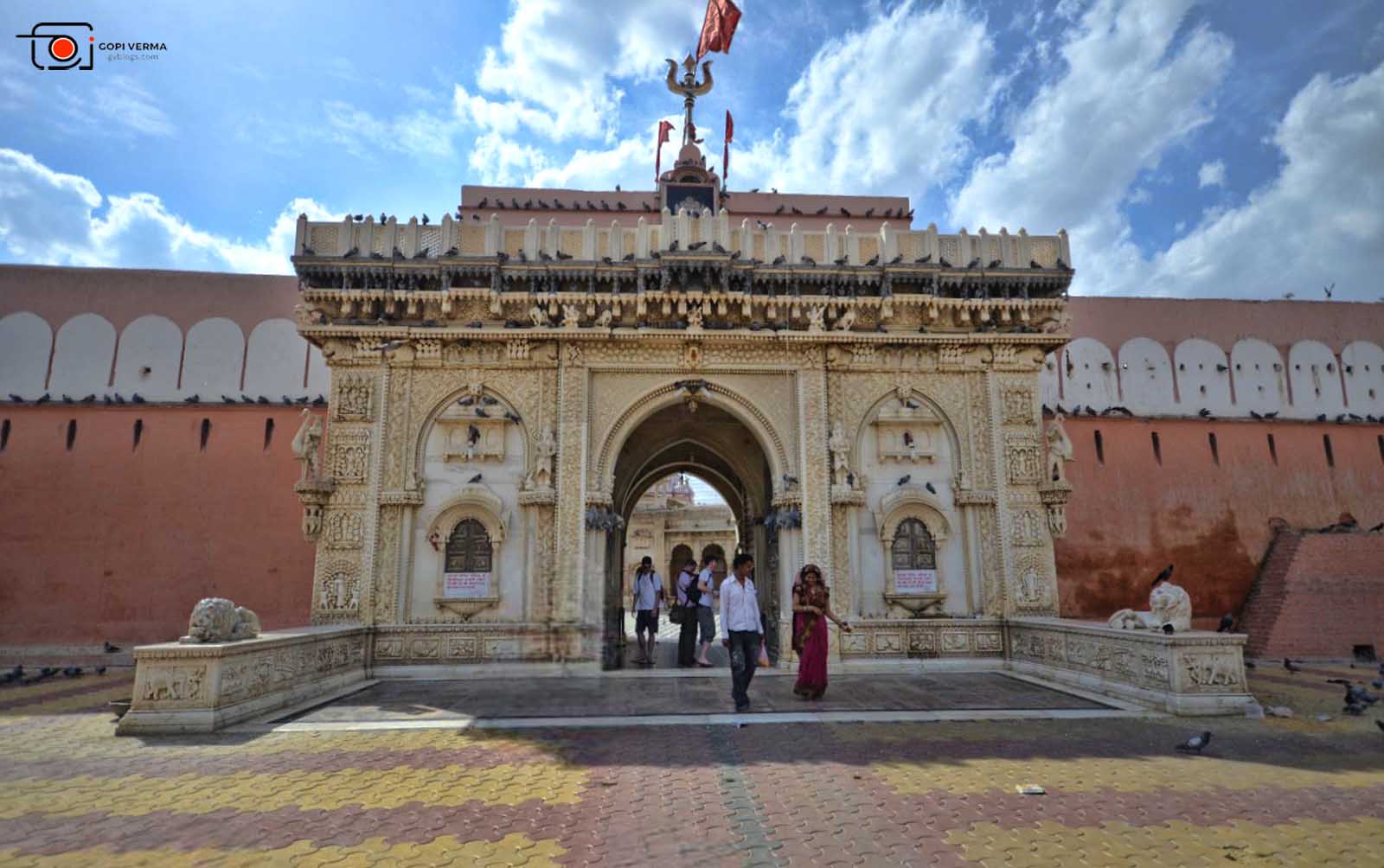
Located in the city of Bikaner, Rajasthan, the Karni Mata Temple is a unique and intriguing attraction for tourists and locals alike. This holy site is dedicated to Karni Mata, the Hindu goddess of rats. The temple is famously known as the "Rat Temple" because it is home to thousands of rats that are revered and worshipped by the visitors.
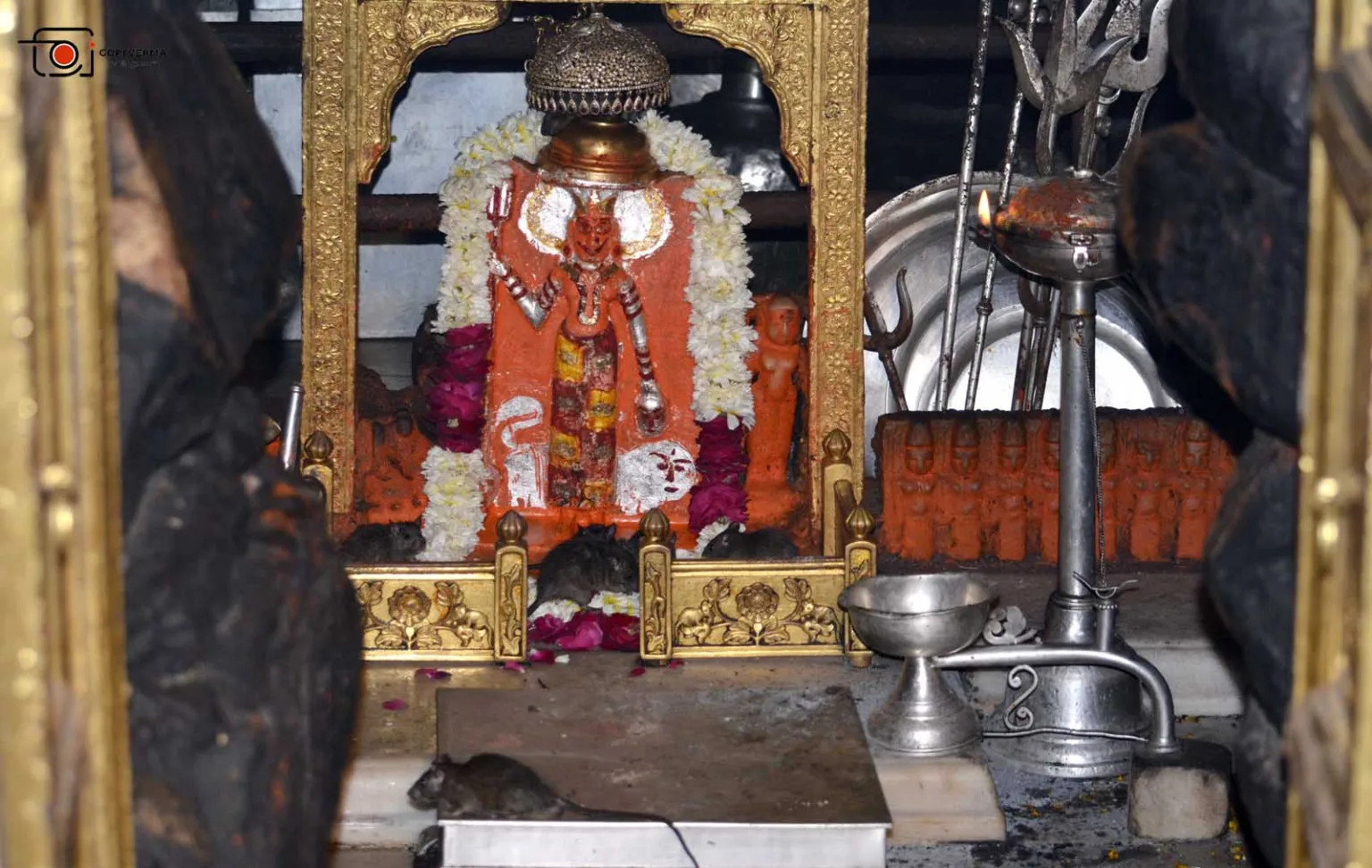
The temple is dedicated to Karni Mata, who the locals believe is an incarnation of Goddess Durga, the protective Mother Goddess in Hindu religion. Karni Mata was a Hindu warrior sage from the Charan caste, who lived in the fourteenth century. According to legend, she was a powerful woman who possessed supernatural powers and was revered by the people of Rajasthan. The temple was built in her honor by Maharaja Ganga Singh of Bikaner in the early 20th century and has since become a popular pilgrimage site for devotees from all over India.
History of the Karni Mata Temple
The Karni Mata Temple has a long and interesting history that dates back to the 14th century. It is believed that Karni Mata, the goddess of rats, was an incarnation of Durga, the Hindu goddess of power and strength. According to legend, Karni Mata was a saint who lived in Deshnok, a small village near Bikaner. She was known for her miraculous powers and was revered by the locals.
It is believed that Karni Mata's stepson, Laxman, drowned in a pond and she pleaded with Yama, the god of death, to bring him back to life. Yama eventually relented and allowed Laxman to be reborn as a rat in the temple. Since then, rats have been worshipped in the temple as a symbol of good luck and prosperity.
The Karni Mata Temple is a stunning example of Rajasthani architecture. The temple complex is built in a unique blend of Mughal and Rajput styles. The entrance to the temple is a grand gateway made of marble and has intricately carved silver doors. The temple complex is spread over an area of 25,000 square feet and is made up of several courtyards and shrines.
The main shrine of the temple is dedicated to Karni Mata and is adorned with gold and silver decorations. The walls and pillars of the temple are decorated with intricate carvings and paintings. The highlight of the temple is the rat chamber, where the rats reside. The chamber is made of marble and is decorated with silver and gold.
Significance of the Rats in the Temple
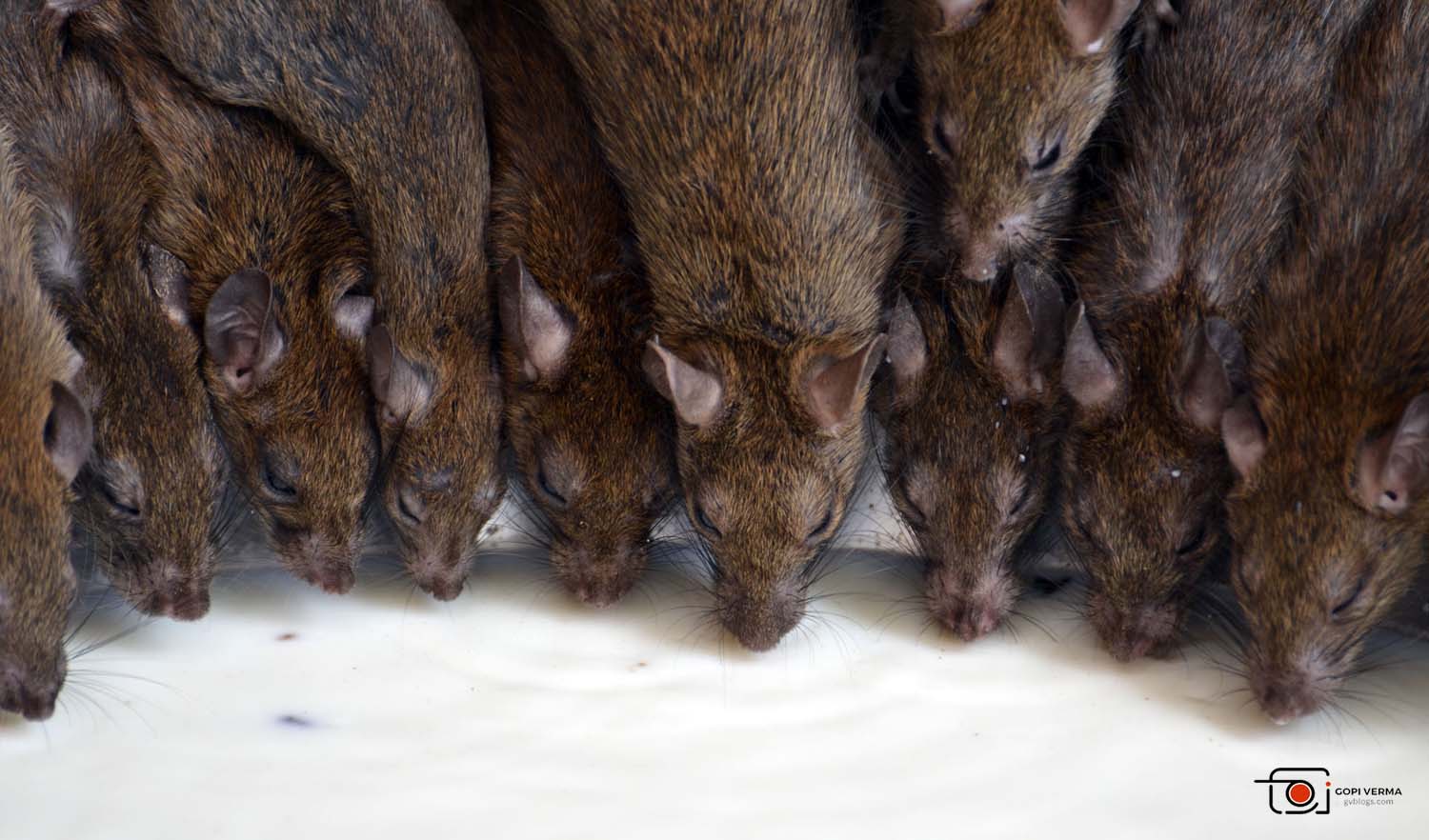
The rats in the Karni Mata Temple are considered to be sacred and are worshipped by the visitors. The rats are fed with milk and sweets, and it is considered auspicious to eat the food that has been nibbled on by the rats. It is believed that if a rat runs over your feet, it is a sign of good luck and prosperity.
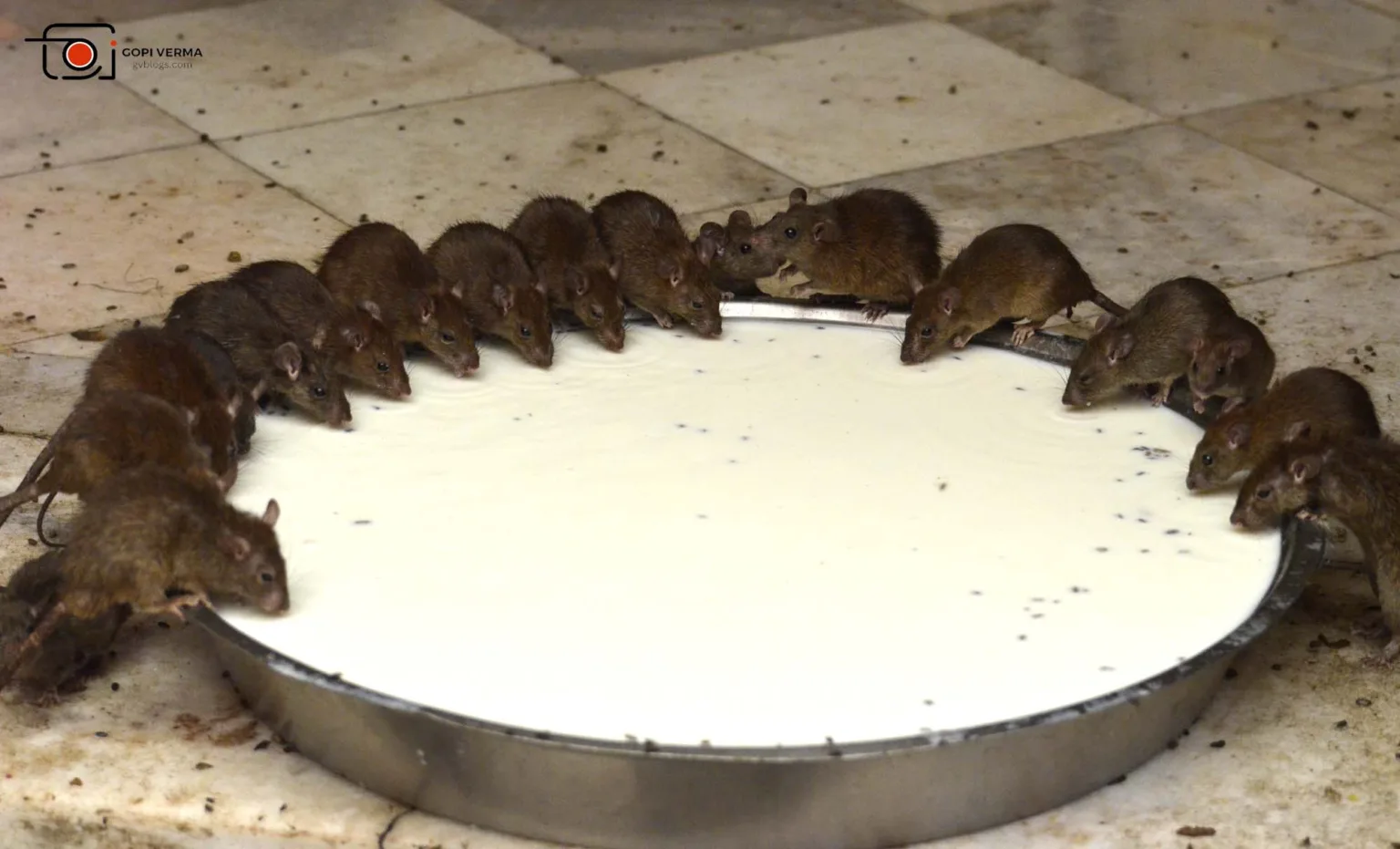
Perhaps the most unique and fascinating aspect of the Karni Mata Temple is the presence of thousands of rats(also called kābā) that freely roam the temple complex. These rats are considered sacred and are worshipped by the devotees who come to the temple.
The rats have been considered sacred and are worshipped as Karni Mata's children. They are fed and protected by the devotees who visit the temple. The rats are so revered that even if they accidentally die, they are to be replaced with a rat made of solid silver or gold.
The rats are not afraid of humans and can be seen running around the temple complex, climbing on devotees' feet and eating from the offerings left by the visitors. The rats are believed to bring good luck and blessings to the devotees and are considered a sign of Karni Mata's presence in the temple.
Visitors to the temple are expected to show respect to the rats and are not allowed to harm or kill them. In fact, killing a rat in the temple is considered a sin and requires a heavy penalty to be paid.
The presence of the rats in the temple may seem unusual and even scary to some, but for the devotees of Karni Mata, it is a unique and fascinating aspect of their faith and devotion.
The white kābā rats are indeed considered to be especially holy in the Karni Mata Temple. These rats are rare and are believed to be the manifestations of Karni Mata herself and her four sons. They are also known as "sighting rats" because their appearance is considered a special blessing.
Devotees of Karni Mata come from all over the world to catch a glimpse of these special rats. They offer prasad, a sweet holy food, and wait patiently for the white kābā rats to appear. Some visitors even spend hours in the temple, hoping to catch a glimpse of these sacred creatures.
The white kābā rats are easy to spot among the thousands of other rats in the temple because of their unique color. They are considered a symbol of good luck and are believed to bring blessings and prosperity to those who are fortunate enough to see them.
For the devotees of Karni Mata, seeing the white kābā rats is a spiritual experience that reinforces their faith and devotion. It is a reminder that the temple is not just a place of worship, but also a place of miracles and blessings.Another most interesting features of the Karni Mata Temple is the huge iron pot that is kept in the temple complex. The pot, also known as 'Kunda', is about 12 feet in diameter and can hold up to 5,000 liters of water.
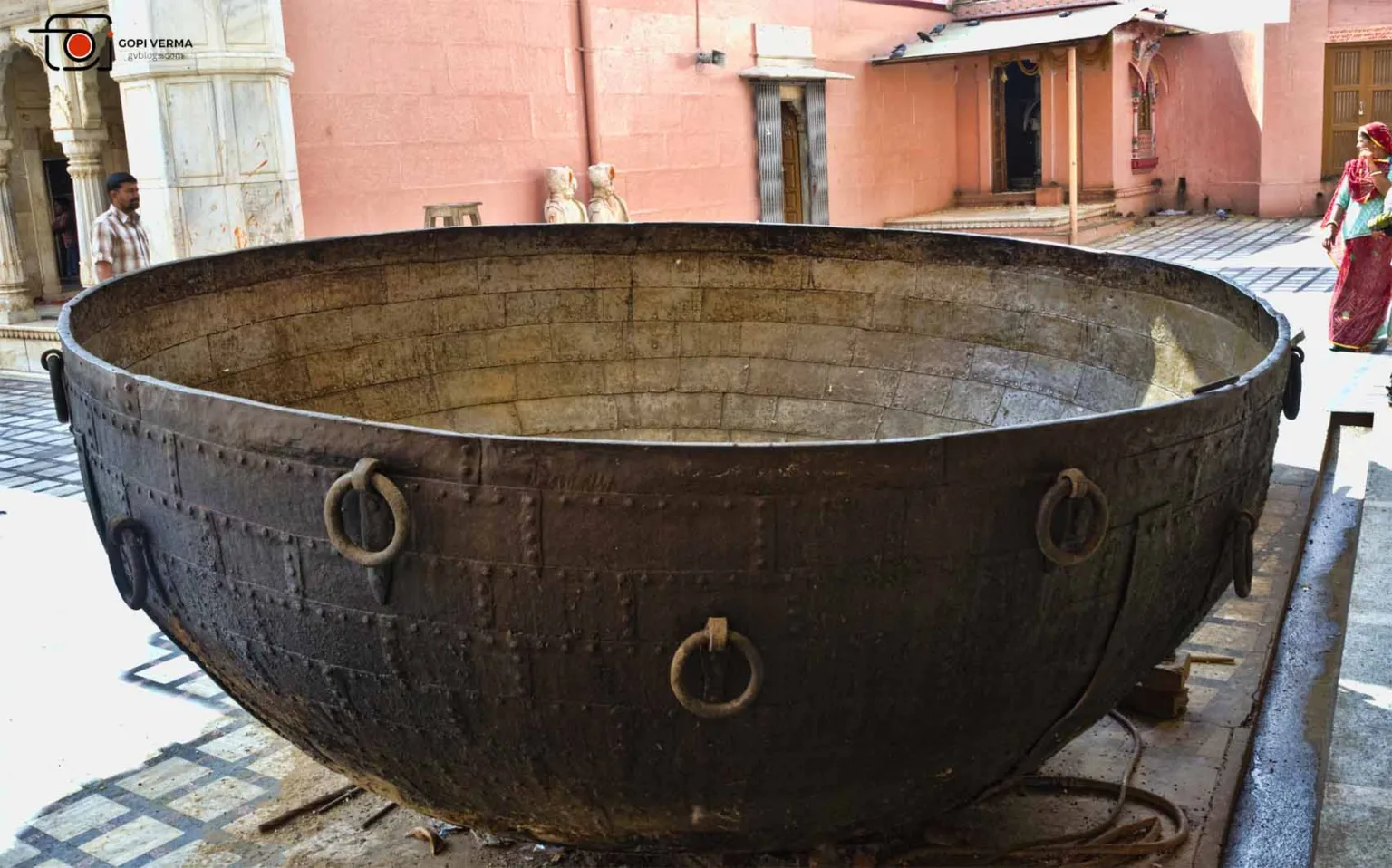
The pot is used to prepare the famous Prasad, which is offered to the rats and then distributed to the devotees. The preparation of Prasad is a huge task and requires several people to stir the mixture of flour, sugar, and ghee in the pot using long wooden sticks.
The Prasad is then served to the rats who swarm around the pot in large numbers. It is believed that if a rat eats from the pot, it brings good luck and blessings to the devotees.
The big iron pot is a symbol of the temple's commitment to serve the devotees and provide them with a unique and unforgettable experience. It is also a testament to the dedication and devotion of Karni Mata towards her followers.
Rituals and EventsThe Karni Mata Temple is famous for its unique rituals and events that attract a large number of devotees and tourists every year. Here are some of the important rituals and events that take place at the temple: Offering of Prasad: One of the main rituals at the Karni Mata Temple is the offering of Prasad to the rats. Devotees bring sweets, grains, and other food items as offerings to the rats, which are considered sacred and a form of the Goddess herself. Aarti: Aarti is a ritual of worship in which lamps are lit and waved in front of the deity. The Aarti at Karni Mata Temple is performed twice a day, in the morning and evening, and is attended by a large number of devotees. Karni Mata Fair: The Karni Mata Fair, also known as the Karni Mata Festival or the Deshnoke Fair, is a major event that takes place at the temple twice a year, in Navratras of March-April and September-October. The fair attracts a large number of devotees and tourists from all over the country who come to seek the blessings of Karni Mata.
The Karni Mata Temple in Bikaner is a fascinating and unique attraction that offers visitors a glimpse into the rich culture and traditions of Rajasthan. The temple's history, architecture, and the significance of the rats make it an unforgettable experience for those who visit. While some may find the idea of a temple dedicated to rats unusual, it is a testament to the diversity and richness of Hinduism.
So if you're planning a trip to Rajasthan, make sure to add the Karni Mata Temple to your itinerary. It's an experience that you won't forget!
How to Reach
The Karni Mata Temple is located in the town of Deshnoke, around 30 km south of Bikaner in Rajasthan, India. The best way to reach the temple is by road.
If you're coming from Bikaner, you can hire a taxi or take a bus to Deshnoke. It takes around 45 minutes to an hour to reach the temple from Bikaner, depending on the mode of transportation.
If you're coming from other cities in Rajasthan, you can take a train or bus to Bikaner and then proceed to the temple. The nearest railway station to the temple is Bikaner Junction, which is well-connected to major cities in India.
There are also several private tour operators that offer guided tours to the temple as part of their Rajasthan tour packages. These tours usually include transportation, accommodation, and sightseeing, making it a convenient option for tourists.
Watch the video on YouTube